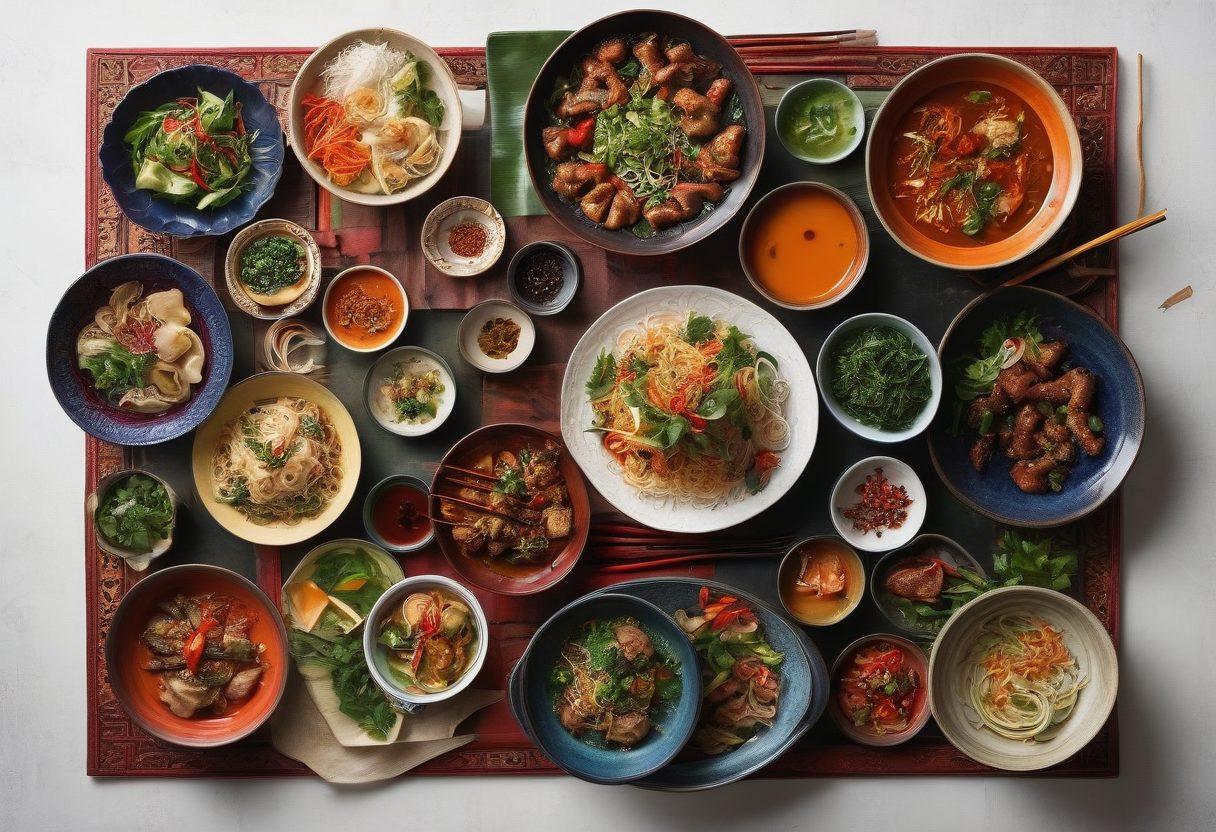
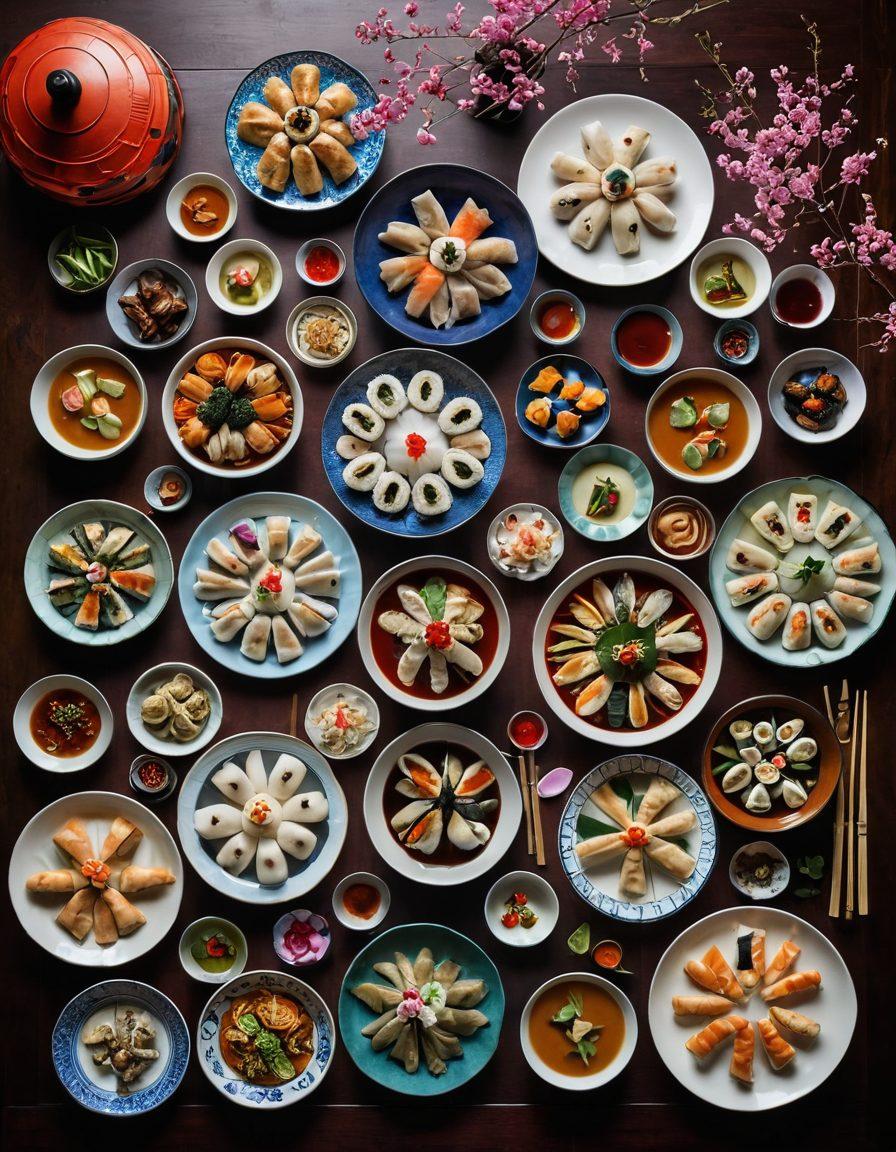
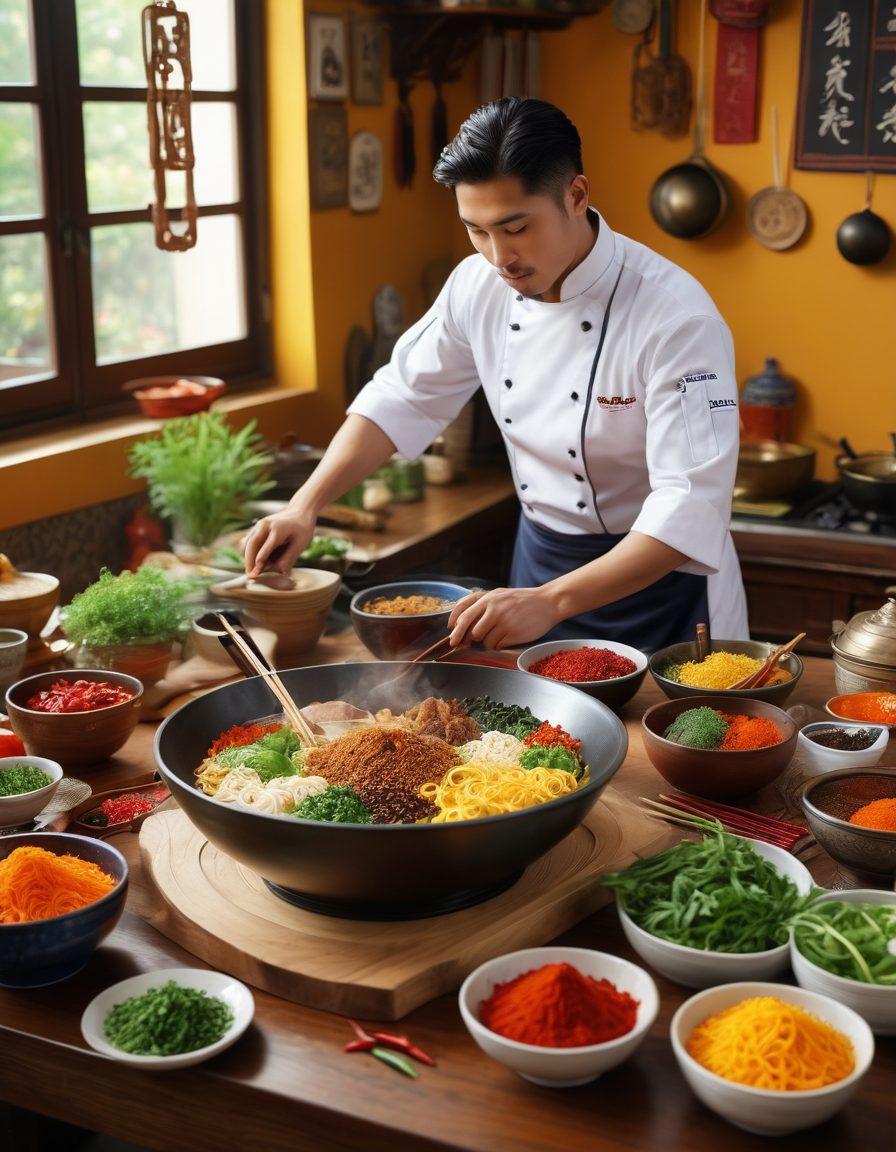
Exploring the Art of Asian Gastronomy: Chopsticks, Cuisine, and Culinary Traditions
Mastering the art of using chopsticks can transform a meal from routine to remarkable. Just picture yourself in a cozy Asian eatery, surrounded by the enticing aromas of exquisite dishes, the soft sound of bamboo music in the background, and the eager anticipation of the culinary wonders waiting to be savored. Utilizing chopsticks is more than just a method of eating; it is an integral part of **Asian gastronomy**, a rich tapestry of **cuisine** and culture. In this blog, we’ll explore how mastering chopsticks can elevate your dining experience and enhance your appreciation for **culinary traditions**.
To embark on this journey, let’s start with understanding the expectations that come with dining customs intrinsic to Asian cultures. For many, chopsticks represent not only utensils but a **gastronomic culture** that embodies grace and mindfulness. Have you ever wondered why the Japanese carefully select their chopsticks based on the season or why in China, they value the traditional practice of not sticking chopsticks upright in a bowl of rice? As you immerse yourself in the world of chopsticks, you’ll discover **delicious dishes** to be enjoyed not just with taste but elegance.
If you're new to the chopstick experience, you might be asking yourself, "Where do I start?" Don't fret! It’s all about practice and a few handy tips. Begin by choosing a pair of chopsticks that feel comfortable in your hands. Whether they’re wooden, bamboo, or even metal, the right pair can influence your grip and control. As you master the technique, consider trying out some **Asian recipes** that lend themselves well to chopstick consumption—think sushi rolls or delicate dumplings. Implementing these **cooking techniques** can make **meal preparation** not only fun but also an insightful dive into the culinary arts.
While practicing with chopsticks, bring a bit of joy into your dining experience by challenging yourself to use them with various foods. Can you pick up a slice of avocado or a piece of tofu? These little challenges not only enhance your skills but also add to the fun! Additionally, consider pairing your newfound chopstick skills with **food literature** that explores the history and significance of chopsticks in different Asian cultures. This knowledge enriches your dining experience, allowing you to appreciate the broader context of what might seem like simple **kitchen tips**.
Finally, share your adventurous journey in the world of chopsticks with friends or through **blogging**! Opening up discussions about your mastery over chopsticks can inspire others to delve into the vast ocean of Asian gastronomy. Engage in friendly conversations revolving around **cooking advice**, recipe ideas, and how these elegant eating tools have united cultures around the globe. So, are you ready to elevate your dining experience and transform mundane meals into delightful culinary celebrations with chopsticks? Let's dig into the beauty of chopsticks and the vibrant stories they tell!
Culinary Traditions Unveiled: Recipes and Techniques from Asia
When you hear the word 'gastronomy', what comes to mind? For many, it evokes not just the act of eating, but an entire culture steeped in history, traditions, and tantalizing tastes. Asian gastronomy, in particular, offers a rich tapestry of culinary traditions that have been woven together over centuries, creating an awe-inspiring array of delicious dishes. From the intricate techniques of sushi making to the fragrant spices of Indian curry, considering the diverse cuisines across this vast continent can transform our very understanding of nourishment. Here, we delve into some unique recipe ideas and cooking advice that will elevate your dining experience while paying homage to the art of Asian culinary traditions.
The use of chopsticks is a notable aspect of many Asian dining customs, but it is just one thread in the colorful fabric of Asian cuisine. Did you know that there’s an art to using chopsticks that goes beyond simply picking up food? The way they are held can vary from region to region, influencing not only the practicality but the very essence of the dining experience. Just as chopsticks are used with ease in some cultures, mastering the techniques of meal preparation in Asian gastronomy can create an authentic and memorable eatery experience. Each culinary tradition from across Asia teaches us valuable kitchen tips, from mastering wok techniques in Chinese cooking to balancing spices in Thai recipes, and even learning about the fermentation process in Korean dishes.
Distinct cooking techniques play a crucial role in lending flavors and textures to Asian cuisine. Ever tried your hand at making homemade kimchi or sushi? The rhythmic motion of chopping vegetables, the careful draping of seaweed, and the fragrant bubbling of broth can feel like meditative rituals. Engaging with these culinary arts unveils the stories behind each dish – where ingredients come from, their significance, and how they may reflect the region's climate or culture. Have you ever wondered how such profound flavors can come from seemingly simple dishes? As we explore, you will find that Asian recipes often carry secrets passed down through generations, connecting us with the past.
Food literature from Asia is abundant with enchanting tales of ingredients and recipes that evoke images of buzzing street food markets and serene family dinners. For those willing to dive into the depths of Asian gastronomic culture, finding the right mediums to explore these narratives offers astonishing insight. Cooking advice often found in novels or articles can inspire your own meal preparation, igniting creativity. Think about the first time you tasted a steaming bowl of ramen—did it inspire you to try a new ramen recipe at home? Perhaps it led to a quest to understand the perfectly crafted broth or the importance of each slice of pork, a journey that bridges the art of storytelling with the delight of culinary exploration.
Taking our experiences and knowledge into the kitchen is where the real magic happens. Creating a delicious dish at home requires a mix of tradition, technique, and a pinch of innovation. Are you ready to embrace the culinary traditions of Asia? Start with one recipe that intrigues you the most. Experiment with cooking methods you've learned, and don't shy away from adapting them based on local ingredients or your own flair. Whether you’re preparing a family meal or hosting friends for a dinner party, immersing yourself in the culinary arts of this beautiful continent can provide a nourishing journey worth savoring. So grab a set of chopsticks, channel your inner chef, and embark on your own exploration of Asian gastronomy!
Savoring Gastronomic Culture: Tips and Tales from the Asian Kitchen
Welcome to a culinary journey that transcends borders and tantalizes taste buds! Asian gastronomy is not just about food; it’s a rich tapestry woven from centuries of culinary traditions, vibrant cultures, and diverse flavors. Imagine a bustling eatery where the aroma of freshly prepared dishes mingles with laughter and chatter — this is the essence of an authentic dining experience in Asia. Ready to dig deeper into the wonderful world of Asian cuisine? Let’s explore the tips and tales that make this gastronomic culture truly special!
Every region in Asia tells a unique story through its food. From the delicate art of using chopsticks to savor a steaming bowl of ramen to the communal dining customs of sharing delectable dim sum, the Asian kitchen is a vibrant stage for culinary arts. Have you ever wondered why chopsticks are not just utensils but a symbol of respect and tradition? They transform the act of eating into an experience that engages the senses and promotes mindfulness. By embracing these dining customs, we can enrich our own gastronomic experiences, wherever we are!
Now, let’s dive into practical recipe ideas and cooking advice that will spark creativity in your kitchen. Asian recipes often celebrate fresh ingredients, so imagine slicing vibrant vegetables for a Thai salad or marinating protein for a succulent stir-fry. These dishes not only nourish our bodies but also serve as a canvas for storytelling and connection. What’s your favorite Asian dish? Perhaps it’s a comforting bowl of pho or a spicy kimchi stew. Whatever it is, understanding the cooking techniques behind these delicious dishes can elevate our meal preparations at home.
As we savor these flavors, let’s not forget the importance of food literature in appreciating Asian gastronomy. The books and blogs dedicated to these culinary traditions are treasure troves of knowledge. They reveal not only recipes but also the history and cultural significance behind every dish. If you’re passionate about blogging, consider sharing your own journey through Asian cuisine. How does one dish remind you of family gatherings or travels abroad? Your stories can inspire others to explore the world through food, just like you!
Finally, remember that Asian gastronomy is about exploration and connection. Embrace kitchen tips from various cultures, experiment with new ingredients, and don’t shy away from the occasional culinary mishap — they’re all part of the journey! So, grab your chopsticks and dive into the delightful realm of Asian cuisine. With every meal, we not only enjoy amazing nourishment but also create unforgettable memories. What will your next dish be?